Cleaning and Maintenance Tips for Outdoor Transparent LED Screens
As architectural landscapes transition toward digital transparency, the Outdoor Transparent LED Screen has become a premier choice for high-end retail, corporate headquarters, and glass facades. However, because these displays are exposed to the elements—dust, rain, and pollution—a rigorous maintenance schedule is the only way to ensure their longevity and visual brilliance.
To help operators protect their investment, we have compiled the essential industry standards for keeping these high-tech displays in peak condition.
1. The Power of Prevention: Daily Inspection
Before picking up a cleaning cloth, the most effective maintenance starts with a visual "walk-around."
-
Monitor the Content: Check for "dead pixels" or dark strips. Since transparent screens use a strip-based design, one faulty connection can affect a whole vertical or horizontal line.
-
Check the Cabinet Seals: Ensure that the waterproof gaskets and seals remain intact. Extreme temperature fluctuations can cause materials to expand and contract, potentially compromising the IP65/IP66 weatherproofing.
2. Specialized Cleaning Procedures
Unlike standard glass windows, transparent LED screens are sensitive electronic components. You cannot simply blast them with a high-pressure hose.
-
Avoid Harsh Chemicals: Never use ammonia-based or highly acidic cleaners, as these can strip the anti-UV coating off the LED lamps. Use a pH-neutral, specialized LED cleaner or distilled water.
-
The "Top-Down" Method: Use a soft, lint-free microfiber cloth or a specialized soft-bristle brush to remove dust. Always clean from the top of the display downward to prevent dirty water from dripping onto already-cleaned sections.
-
Airflow Gaps: Use compressed air to clear out the gaps between the LED strips. Dust buildup in these spaces can hinder heat dissipation, leading to overheating during peak daylight hours.
3. Electrical and Signal Stability
The "invisibility" of the wiring is what makes these screens beautiful, but it also means connections must be secure.
-
Tighten Connections: Periodically check power and data cables. Vibrations from wind or nearby traffic can loosen connectors over time.
-
Stable Voltage: Ensure the screen is connected to a stable power source with surge protection. Fluctuating voltage is the leading cause of premature LED "aging" and color shifting.
4. Software and Calibration
Maintenance isn't just physical; it’s digital. Over time, LEDs may decay at slightly different rates, leading to uneven brightness.
-
Brightness Calibration: Every 6–12 months, perform a professional color and brightness calibration to ensure the screen looks uniform across the entire facade.
-
Firmware Updates: Keep the control system software updated to the latest version to optimize energy efficiency and cooling protocols.
In general, an outdoor transparent LED screen is a significant capital investment. While they are built for durability, a "set it and forget it" mentality will lead to dimmed brightness and costly repairs. By implementing a quarterly deep-clean and a monthly visual audit, owners can extend the lifespan of their display by several years, ensuring that their brand continues to shine clearly through the glass.
Latest News
-
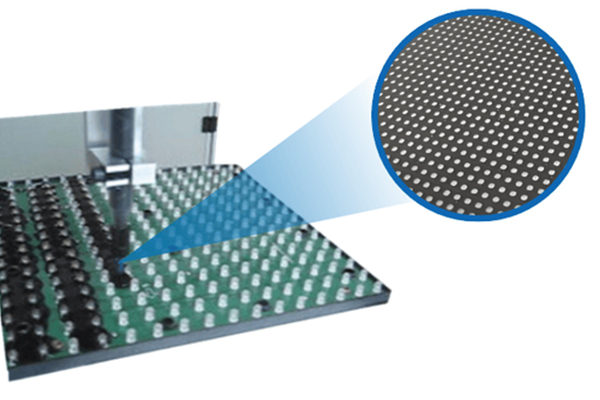
Appearance Quality Determines The Winner - In-Depth Analysis Of Led Crystal Film Screen Glue And Weather Resistance
2026-04-20Adhesive defines crystal film screen appearance and lifespan. Cheap glue yellows, clouds, and delaminates in 1-2 years.
-
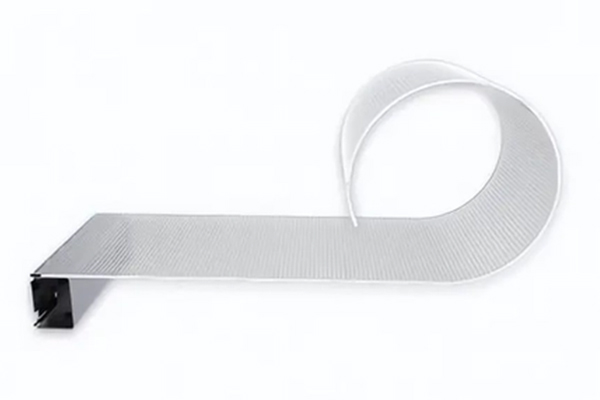
New Height Of Flexible Display - Special-Shaped Application And Installation Specifications Of Led Crystal Film Screen
2026-04-17LED crystal film’s bendable design (radius ≤3cm) fits curved, cylindrical, and irregular glass, ideal for museums, art centers, and luxury retail.
-
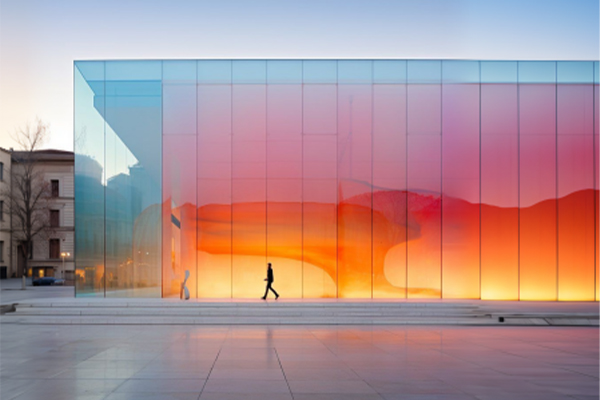
The Digital Coat Of Glass Curtain Walls - Crystalline Screens Light Up City Landmarks
2026-04-17Urban landmarks are transformed by LED crystal film screens—invisible by day, brilliant by night. The screen thickness ≤3mm thick and 6kg/㎡, they adhere directly to glass without structural damage.
-
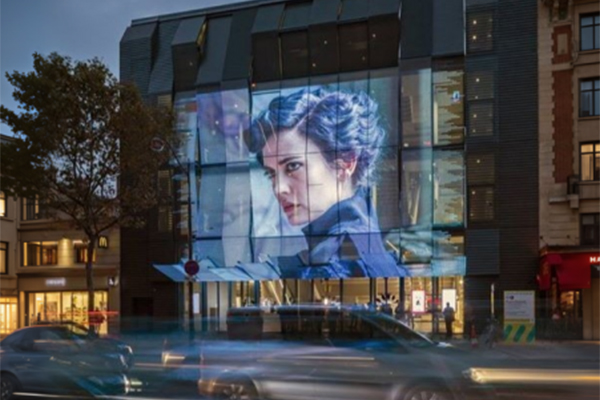
The Visual Revolution Of Commercial Windows - Led Crystal Film Screens Reshape The Retail Experience
2026-04-09LED crystal film screens are revolutionizing commercial windows with high transparency and ultra-thinness. With 70%-95% light transmittance, they remain invisible by day and glow vividly at night.