How Does Outdoor Transparent LED Display Work in Daylight
The skyline of the modern "smart city" is changing. Gone are the days of bulky, opaque billboards that block views and darken interiors. In their place, a seamless blend of architecture and digital art is emerging: the Outdoor Transparent LED Display.
But for many observers, one question remains: How can a screen you can see through remain vibrant and clear even under the punishing glare of direct midday sunlight?
The answer lies in a sophisticated marriage of high-output hardware, clever spatial engineering, and advanced light-sensing technology.
1. High-Density Brightness (The "Brute Force" of Light)
Standard indoor screens usually operate at a brightness of 500 to 1,500 nits. However, to compete with the sun—which radiates immense ambient light—outdoor transparent displays are engineered to reach brightness levels between 5,000 and 10,000 nits.
By using high-efficiency LED lamps, these displays ensure that the "signal" (the digital content) is significantly stronger than the "noise" (the sunlight), preventing the image from appearing washed out.
2. The Physics of Transparency: The Strip Design
The "magic" of transparency comes from the physical structure of the display. Instead of a solid panel, these screens are composed of thin horizontal LED strips.
-
The Gap Factor: The space between these strips allows natural light and air to pass through.
-
The Illusion: From a distance, the human eye focuses on the illuminated pixels, perceiving a solid, floating image. Up close, or from behind, the gaps provide up to 70%–80% transparency, maintaining the building's natural lighting and aesthetic.
3. Intelligent Light Control
A screen that is bright enough for noon would be blindingly bright at midnight. To maintain visual comfort and energy efficiency, these displays utilize integrated light sensors.
These systems automatically adjust the screen's luminosity in real-time based on environmental conditions. This ensures:
-
Optimal Contrast: Deep blacks and vivid colors even when the sun is at its zenith.
-
Energy Conservation: Lowering power consumption during overcast days or at night.
4. Specialized Anti-Glare Coatings
Sunlight doesn't just wash out colors; it creates reflections. High-end transparent LED panels are treated with anti-ultraviolet (UV) and anti-glare coatings. These materials reduce the "mirror effect" on the glass or the LED surface, ensuring that the digital content remains the focal point regardless of the sun's angle.
Why This Matters for the Future of Media
For advertisers and architects, this technology represents a "win-win." It turns glass facades into high-value advertising real-time estate without compromising the comfort of the people inside the building. As urban spaces become more crowded, the ability to utilize "invisible" technology to communicate information will become a cornerstone of urban design.
The outdoor transparent LED display isn't just a screen; it's a testament to how far we’ve come in mastering the spectrum of light.
Latest News
-
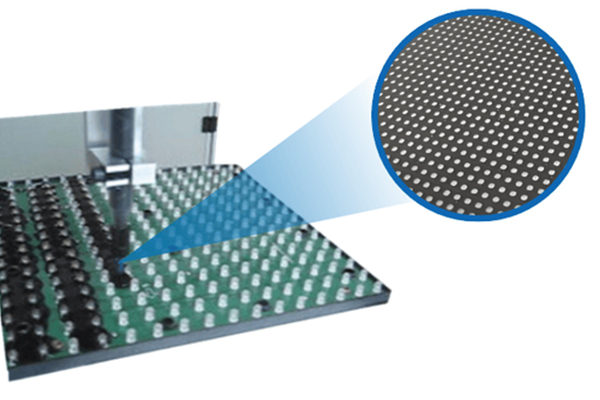
Appearance Quality Determines The Winner - In-Depth Analysis Of Led Crystal Film Screen Glue And Weather Resistance
2026-04-20Adhesive defines crystal film screen appearance and lifespan. Cheap glue yellows, clouds, and delaminates in 1-2 years.
-
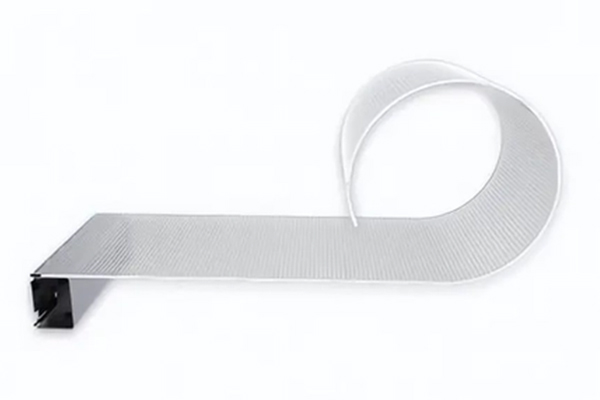
New Height Of Flexible Display - Special-Shaped Application And Installation Specifications Of Led Crystal Film Screen
2026-04-17LED crystal film’s bendable design (radius ≤3cm) fits curved, cylindrical, and irregular glass, ideal for museums, art centers, and luxury retail.
-
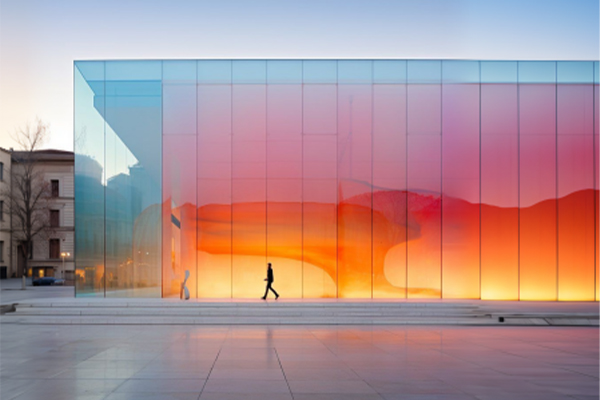
The Digital Coat Of Glass Curtain Walls - Crystalline Screens Light Up City Landmarks
2026-04-17Urban landmarks are transformed by LED crystal film screens—invisible by day, brilliant by night. The screen thickness ≤3mm thick and 6kg/㎡, they adhere directly to glass without structural damage.
-
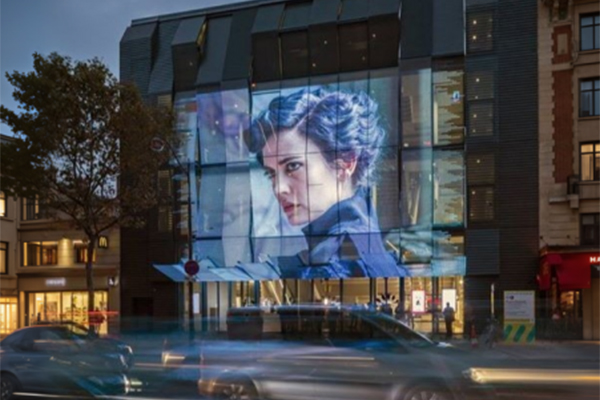
The Visual Revolution Of Commercial Windows - Led Crystal Film Screens Reshape The Retail Experience
2026-04-09LED crystal film screens are revolutionizing commercial windows with high transparency and ultra-thinness. With 70%-95% light transmittance, they remain invisible by day and glow vividly at night.