Thin and Transparent Film Screen Manufacturer Seeing LED Screen Gains Market Attention as Transparent Display Demand Surges
As global demand for transparent display solutions continues to accelerate, manufacturers specializing in thin LED film technology are capturing increased industry attention. Among the emerging innovators is Seeing LED screen, a manufacturer focused on developing high-transmittance digital film displays that combine visual performance with architectural integration.
Market analysts report that thin and transparent film screens are reshaping how commercial spaces, retail brands, and exhibition venues communicate with audiences. By delivering digital content directly on glass facades, storefront windows, and curved surfaces, the technology bridges the gap between physical storytelling and digital media without obstructing interior visibility.
Ultra-Thin Structure Enables Seamless Installation
One of the standout characteristics of the thin and transparent film screen is its ultra-light and ultra-thin architecture. Traditional digital displays often require bulky hardware and modular frames, limiting installation possibilities and affecting interior or exterior design. Seeing LED screen addresses this challenge by using thin film substrates that can be bonded directly onto glass surfaces.
This installation method allows for fast deployment, lower construction impact, and compatibility with retrofit projects. Luxury retail stores, auto showrooms, and high-end commercial buildings have embraced this format to modernize window displays without compromising aesthetic transparency.
Clarity and Transparency for Modern Retail and Architectural Spaces
Seeing LED screen’s film displays are designed to preserve glass transparency while achieving vivid visual content. The thin and transparent film screen maintains high transmittance levels, ensuring that pedestrians and customers can still see merchandise or interior design elements behind the display.
These features make the technology attractive for window marketing campaigns, exhibition signage, and interior media activations. Architects also view transparent film displays as an alternative to traditional digital panels for smart building facades.
Flexible Application Across Curved and Customized Surfaces
Unlike rigid LED and LCD panels, thin and transparent film screens can be adapted to curved structures, cylindrical glass partitions, and irregular interior layouts. Seeing LED screen leverages this flexibility to support creative design scenarios for museums, immersive exhibitions, and brand installations seeking visually striking presentation formats.
This versatility is particularly valuable for experiential marketing campaigns, where content and spatial interaction combine to enhance audience engagement.
Energy Efficiency and Cost-Effective Operation
Energy performance plays a growing role in digital signage purchasing decisions. Because thin film LED structures require fewer components and include optimized heat dissipation systems, they consume less power than traditional backlit panels. Retailers operating extended business hours can significantly reduce total cost of ownership without sacrificing display brightness or media clarity.
Maintenance requirements are also reduced due to simplified structure and modular replacement options.
Competitive Outlook for Seeing LED Screen in Global Markets
With transparent digital media transitioning from niche technology to mainstream architectural display, manufacturers such as Seeing LED screen are poised for strong growth. Analysts expect increased adoption across Asia-Pacific retail markets, European smart-city projects, and North American architectural installations.
Future competition will likely revolve around improvements in resolution, transparency rates, color accuracy, and integration with IoT content management systems. Seeing LED screen’s product portfolio in thin and transparent film screens positions the brand as a viable contender in this evolving landscape.
Conclusion: Transparent Film Display Technology Moves Into Commercial Mainstream
The rise of thin and transparent film screens marks a significant shift in visual communication strategy. By combining transparency, lightweight construction, and spatial adaptability, manufacturers like Seeing LED screen are helping transform storefronts, exhibitions, and architectural facades into immersive digital platforms. As demand grows, transparent film displays are expected to play a strategic role in the future of retail technology, building media, and intelligent urban design.
Latest News
-
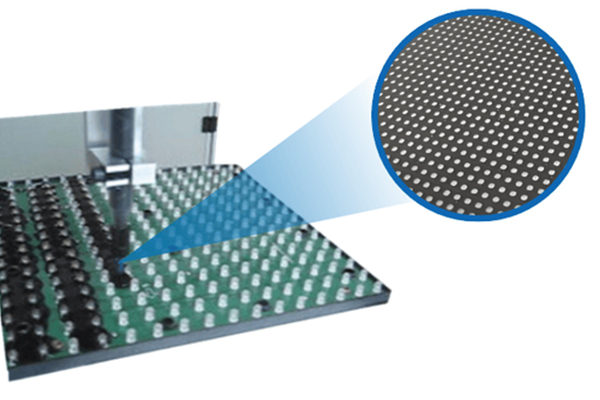
Appearance Quality Determines The Winner - In-Depth Analysis Of Led Crystal Film Screen Glue And Weather Resistance
2026-04-20Adhesive defines crystal film screen appearance and lifespan. Cheap glue yellows, clouds, and delaminates in 1-2 years.
-
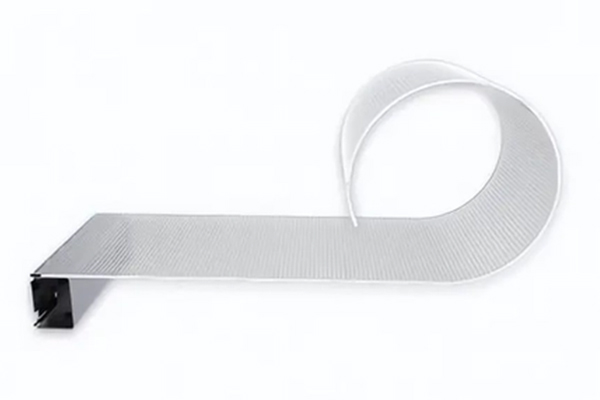
New Height Of Flexible Display - Special-Shaped Application And Installation Specifications Of Led Crystal Film Screen
2026-04-17LED crystal film’s bendable design (radius ≤3cm) fits curved, cylindrical, and irregular glass, ideal for museums, art centers, and luxury retail.
-
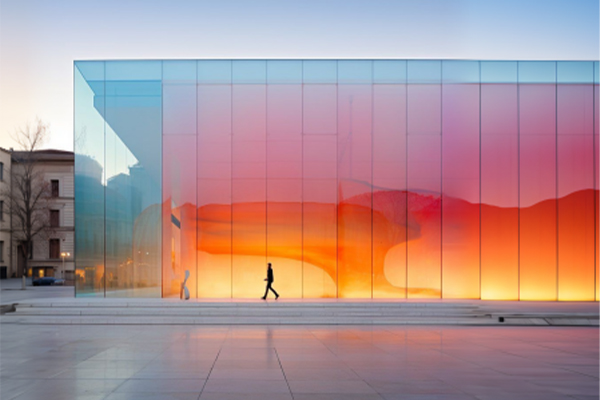
The Digital Coat Of Glass Curtain Walls - Crystalline Screens Light Up City Landmarks
2026-04-17Urban landmarks are transformed by LED crystal film screens—invisible by day, brilliant by night. The screen thickness ≤3mm thick and 6kg/㎡, they adhere directly to glass without structural damage.
-
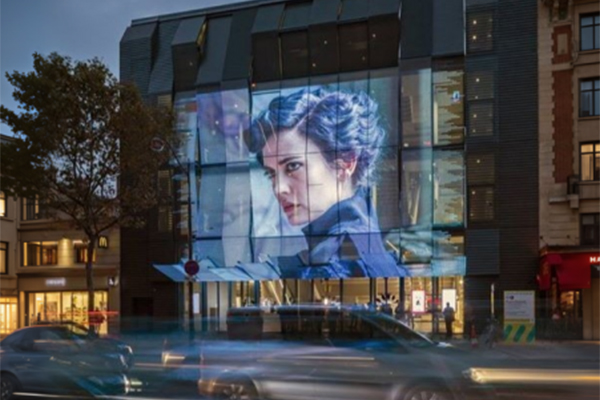
The Visual Revolution Of Commercial Windows - Led Crystal Film Screens Reshape The Retail Experience
2026-04-09LED crystal film screens are revolutionizing commercial windows with high transparency and ultra-thinness. With 70%-95% light transmittance, they remain invisible by day and glow vividly at night.