Indoor Transparent LED Display vs Outdoor Transparent LED Display — Understanding Key Differences as Demand Surges
With transparent LED screens emerging as a prominent trend in digital signage, analysts are observing rapid growth in both indoor and outdoor installation categories. Although the two display types share similar structural concepts—allowing light and visibility to pass through while presenting dynamic digital content—their performance requirements, engineering standards, and market applications differ significantly.
Understanding the distinctions between Indoor Transparent LED Displays and Outdoor Transparent LED Displays has become critical for retailers, architects, and project developers evaluating investment decisions in next-generation advertisement solutions.
Brightness and Visibility in Different Lighting Environments
Lighting conditions represent one of the most important considerations when comparing the two display types. Outdoor environments require higher brightness levels to remain clearly visible in direct sunlight. Outdoor transparent displays typically exceed 5,000 nits of brightness and incorporate anti-glare configurations for enhanced daylight performance.
Indoor transparent LED displays, by contrast, operate within controlled lighting environments found in shopping malls, airports, showrooms, and corporate lobbies. With brightness levels generally ranging between 1,000 and 3,500 nits, indoor models strike a balance between clarity and visual comfort without overwhelming interior ambiance.
Weatherproofing and Structural Durability
Outdoor transparent displays must withstand rain, UV exposure, dust, temperature fluctuations, and wind pressure. This requirement leads manufacturers to integrate waterproof sealing, reinforced casings, and heat dissipation systems designed for extended operation in harsher climates.
Indoor displays do not typically need environmental protection systems. Their lightweight structures allow for easier installation on glass facades, storefront windows, and internal architectural partitions.
Pixel Pitch and Viewing Distance
Pixel pitch standards also vary between the two product categories. Indoor transparent LED displays often feature tighter pixel spacing to support closer viewing distances common in retail environments and exhibition halls. High-resolution content, including branding elements, menus, or product details, benefits from more compact pixel layouts.
Outdoor transparent screens are designed for longer viewing distances - such as building facades, transportation hubs, or street-facing advertisements—where wider pixel pitch can still deliver effective visual impact.
Transparency and Aesthetic Integration
Both display types are valued for their transparency rates, which preserve sightlines, architectural aesthetics, and natural light transmission. However, transparency priorities differ based on usage:
-
Indoor installations emphasize brand storytelling, product displays, and interior ambiance without blocking merchandise visibility.
-
Outdoor installations prioritize promotional visibility from far distances while still maintaining building transparency and facade design continuity.
Installation Scenarios and Market Adoption
Indoor transparent LED displays have become popular in luxury retail boutiques, automotive showrooms, corporate atriums, and trade exhibitions. They support immersive content without requiring structural modifications or obstructing space layouts.
Outdoor transparent displays have gained traction in smart city projects, building wraps, glass curtain walls, and transportation signage. Their ability to convert architectural structures into dynamic media surfaces is transforming advertising strategies across global metropolitan areas.
Energy Efficiency and Operational Costs
Transparent LED designs—both indoor and outdoor—offer lower energy consumption compared to traditional display panels due to reduced LED density and open-structure configurations. However, outdoor systems may incur higher operational costs due to stronger cooling, environmental protection, and brightness requirements.
Conclusion: Two Technologies, Distinct Roles in Modern Digital Signage
While Indoor and Outdoor Transparent LED Displays share key conceptual benefits—including transparency, energy efficiency, and visual creativity—their design priorities and performance capabilities reflect different application environments. As global cities and commercial spaces evolve, both product categories are expected to play strategic roles in shaping visual communication, architectural media integration, and future retail technology solutions.
Latest News
-
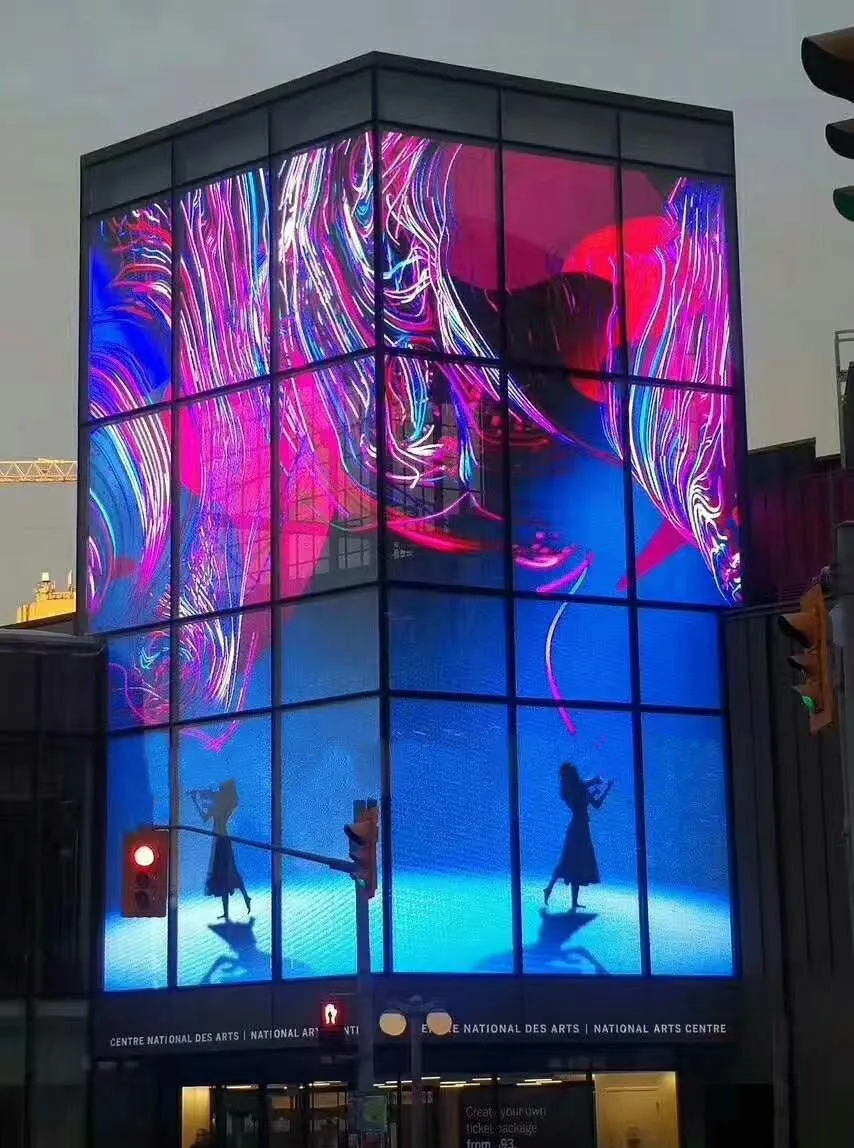
Indoor Transparent LED Display vs Outdoor Transparent LED Display — Understanding Key Differences as Demand Surges
2026-02-26With transparent LED screens emerging as a prominent trend in digital signage, analysts are observing rapid growth in both indoor and outdoor installation categories. Although the two display types share similar structural concepts—allowing light and visibility to pass through while presenting dynamic digital content—their performance requirements, engineering standards, and market applications differ significantly.
-
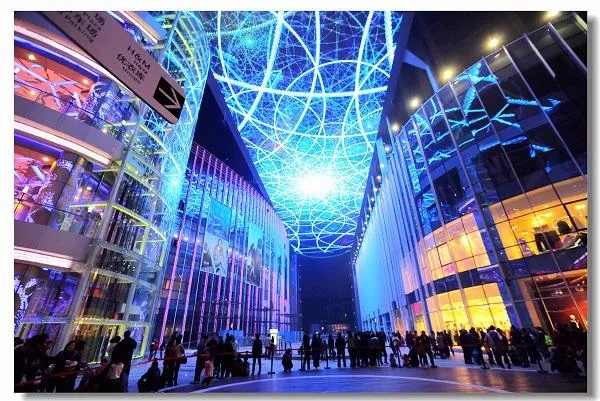
What Are the Main Benefits of Using LED Crystal Film Over Traditional Displays
2026-02-12As transparent display technology accelerates across the global retail, exhibition, and commercial design sectors, LED crystal film is emerging as one of the most innovative alternatives to traditional LED and LCD display systems. Unlike conventional panels that rely on rigid structures and opaque backlighting modules, LED crystal film integrates directly onto glass surfaces to deliver digital content while preserving transparency, natural light, and architectural visibility.
-
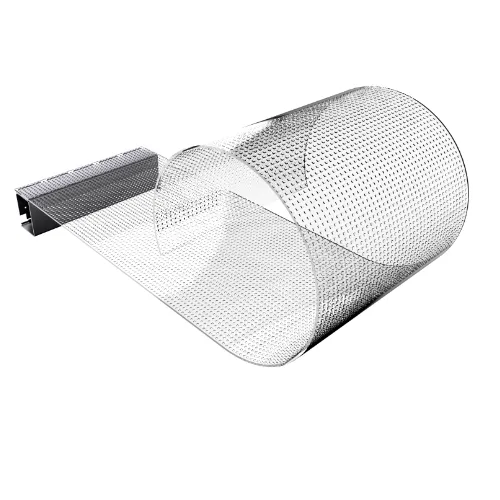
How to Install LED Crystal Film Screen on Glass Windows
2026-02-05As retail spaces, exhibition venues, transportation hubs, and commercial offices accelerate digital transformation, LED crystal film screens are emerging as a preferred solution for transparent display installations on glass surfaces. With advantages such as ultra-thin form factors, lightweight materials, and flexible application methods, these transparent LED films enable high-impact visuals without blocking interior visibility or natural light.
-

LED Crystal Film Screen Technology Expands Applications Across Retail, Architecture, and Exhibition Industries
2026-01-28The global display technology sector is witnessing a surge of innovation as transparent visual media becomes increasingly integrated into commercial architecture and digital signage environments. One of the most fast-growing products in this space is the LED Crystal Film Screen, a cutting-edge display solution designed to merge visual content with physical space without obstructing light or sightlines.