What Are the Main Benefits of Using LED Crystal Film Over Traditional Displays
As transparent display technology accelerates across the global retail, exhibition, and commercial design sectors, LED crystal film is emerging as one of the most innovative alternatives to traditional LED and LCD display systems. Unlike conventional panels that rely on rigid structures and opaque backlighting modules, LED crystal film integrates directly onto glass surfaces to deliver digital content while preserving transparency, natural light, and architectural visibility.
Industry analysts note that demand for LED crystal film continues to rise as building facades, storefront windows, and public spaces embrace next-generation display methods that blend digital media with physical environments.
1. Transparency Without Blocking Sightlines
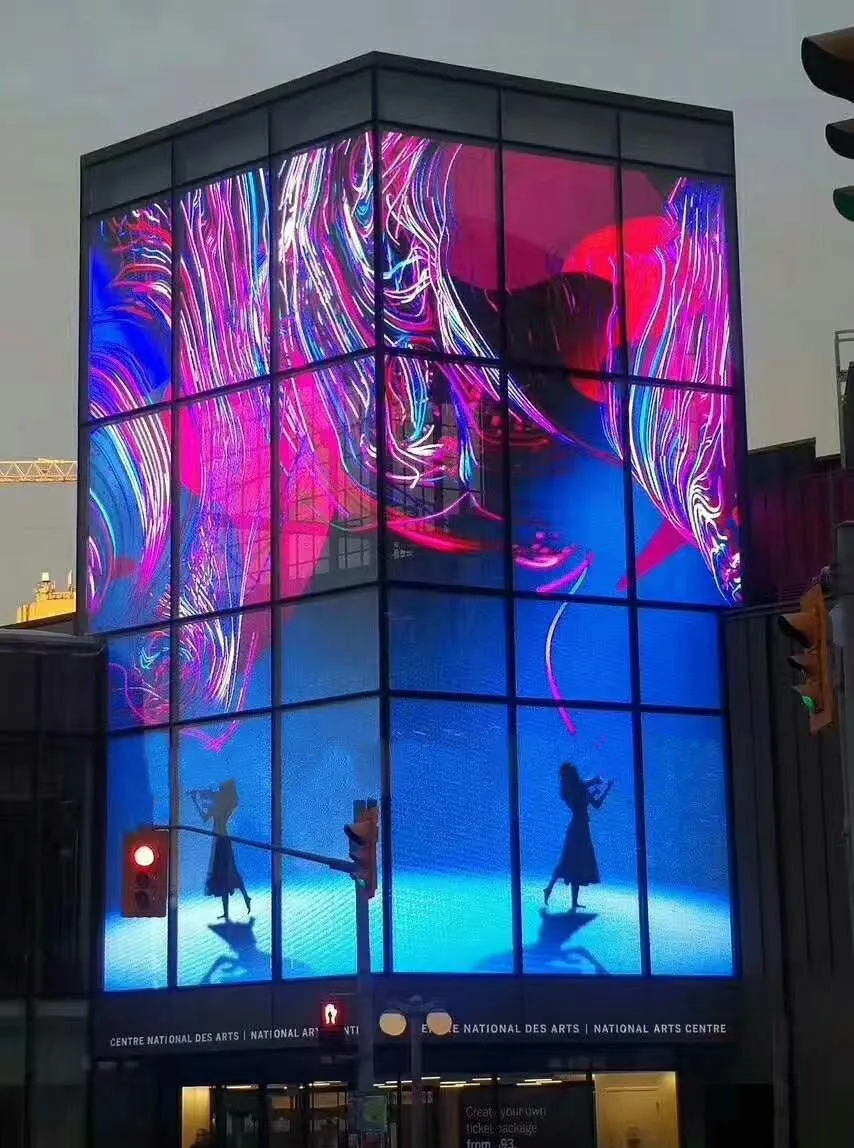
One of the most distinctive advantages of LED crystal film is its ability to deliver visual content without obstructing visibility. Traditional displays create solid visual barriers that block interior views or disrupt architectural aesthetics. By contrast, LED crystal film maintains a transparent appearance, allowing pedestrians and customers to see merchandise, exhibitions, or interior spaces while also viewing dynamic promotional content.
This characteristic makes the technology especially valuable for luxury retail, malls, exhibition halls, and automotive showrooms where physical visibility is central to brand presentation.
2. Lightweight and Ultra-Thin Structure
LED crystal film screens are engineered with thin, lightweight materials that apply directly to glass without requiring heavy mounting brackets or reinforced support structures. Traditional displays typically involve bulky panels, metal frames, and ventilation components that can add both installation complexity and structural load.
The slim profile of LED crystal film allows for faster installation, lower transportation costs, and more design flexibility across indoor and outdoor settings.
3. Compatibility With Architectural Design
Architects and designers increasingly favor display solutions that integrate smoothly into modern building layouts. Traditional panels often disrupt facade symmetry, and their opaque surfaces can interfere with daylighting strategies.
LED crystal film supports transparent façades and smart building concepts, enhancing both functionality and aesthetics. It enables visual messaging without forcing trade-offs between natural light and digital interaction.
4. Lower Installation Impact and Retrofitting Potential
Another advantage of LED crystal film is its compatibility with retrofit projects. Instead of replacing glass structures or installing new frames, film-based displays can adhere directly to existing surfaces—significantly reducing construction disruption. For historical buildings or high-traffic commercial zones, low-impact installation is a major benefit.
Traditional displays, by contrast, often require new mounting systems, power routing adjustments, and space reconfiguration.
5. Improved Energy Efficiency and Heat Management
Because LED crystal film disperses heat more efficiently and consumes less energy per illuminated area than conventional backlit screens, it provides a more sustainable option for long-term operation. Many retail locations run digital signage for extended hours, making energy performance a crucial factor in total cost of ownership.
Manufacturers are also incorporating more efficient driver modules and LED chips to enhance brightness while keeping power consumption competitive.
6. Versatility in Creative and Curved Installations
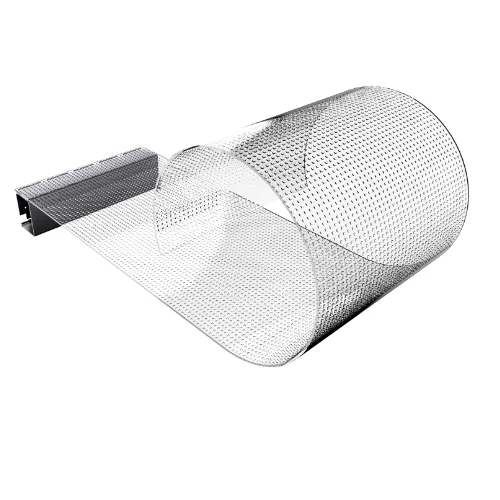
While traditional display panels are typically flat and rigid, LED film solutions can bend, wrap, or conform to curved surfaces. This versatility enables innovative interior and exterior visual applications, including cylindrical glass, curved storefronts, and custom architecture.
Interactive exhibitions and brand installations have embraced this flexibility for storytelling, artistic media, and digital immersion.
Conclusion: A Transformational Shift in Display Technology
The benefits of LED crystal film over traditional displays reflect a broader shift toward spatially integrated digital media. Transparency, slim structure, architectural compatibility, and retrofit capabilities position LED film as a strategic technology for modern retail, cultural exhibitions, transportation venues, and smart buildings. As manufacturers advance resolution, brightness, and durability standards, analysts expect LED crystal film to become a mainstream solution in next-generation visual communication.
Latest News
-
Thin and Transparent Film Screen Manufacturer Seeing LED Screen Gains Market Attention as Transparent Display Demand Surges
2026-03-05As global demand for transparent display solutions continues to accelerate, manufacturers specializing in thin LED film technology are capturing increased industry attention. Among the emerging innovators is Seeing LED screen, a manufacturer focused on developing high-transmittance digital film displays that combine visual performance with architectural integration.
-
Indoor Transparent LED Display vs Outdoor Transparent LED Display — Understanding Key Differences as Demand Surges
2026-02-26With transparent LED screens emerging as a prominent trend in digital signage, analysts are observing rapid growth in both indoor and outdoor installation categories. Although the two display types share similar structural concepts—allowing light and visibility to pass through while presenting dynamic digital content—their performance requirements, engineering standards, and market applications differ significantly.
-
What Are the Main Benefits of Using LED Crystal Film Over Traditional Displays
2026-02-12As transparent display technology accelerates across the global retail, exhibition, and commercial design sectors, LED crystal film is emerging as one of the most innovative alternatives to traditional LED and LCD display systems. Unlike conventional panels that rely on rigid structures and opaque backlighting modules, LED crystal film integrates directly onto glass surfaces to deliver digital content while preserving transparency, natural light, and architectural visibility.
-
How to Install LED Crystal Film Screen on Glass Windows
2026-02-05As retail spaces, exhibition venues, transportation hubs, and commercial offices accelerate digital transformation, LED crystal film screens are emerging as a preferred solution for transparent display installations on glass surfaces. With advantages such as ultra-thin form factors, lightweight materials, and flexible application methods, these transparent LED films enable high-impact visuals without blocking interior visibility or natural light.