How to Install LED Crystal Film Screen on Glass Windows
As retail spaces, exhibition venues, transportation hubs, and commercial offices accelerate digital transformation, LED crystal film screens are emerging as a preferred solution for transparent display installations on glass surfaces. With advantages such as ultra-thin form factors, lightweight materials, and flexible application methods, these transparent LED films enable high-impact visuals without blocking interior visibility or natural light.
Industry observers report a rising demand for glass-based digital installations as brands seek new ways to activate storefront windows, showcase immersive promotions, and modernize building facades.
Preparation and Surface Requirements
Installing an LED crystal film screen begins with ensuring that the glass surface is compatible. Installers typically assess clarity, smoothness, and structural integrity before proceeding. Tempered glass, laminated glass, and commercial-grade display glass are often suitable due to their uniform surface and high transmittance levels.
Technicians also clean the mounting area to remove dust, moisture, and residual adhesives that could interfere with conductive bonding. Proper surface preparation helps secure electrical reliability and guarantees stable transparency and visual consistency.
Film Application and Alignment
Unlike traditional LED displays that rely on rigid modules, the crystal film format uses a thin laminated substrate that adheres directly to glass. During installation, technicians carefully position and align the film to match architectural dimensions and aesthetic requirements.
Precision during alignment is essential to avoid visible seams or distortions in the display. For large-scale installations, multiple sheets may be tiled to create expansive transparent video walls across storefront windows or building facades.
Electrical Integration and Driver Configuration
Once the film is mounted, installers proceed with electrical connections between the LED film, control unit, and power source. Low-voltage wiring systems are routed discreetly along frames or mullions to preserve the transparent visual effect of the installation.
Control drivers are configured to calibrate brightness, color values, refresh rates, and transparency levels. This step ensures that the display performs consistently under varying ambient light conditions, from bright outdoor sunlight to indoor evening illumination.
Testing, Calibration, and Content Verification
Before finalizing the installation, technicians run a series of performance tests. These include:
-
Pixel integrity checks
-
Uniform brightness testing
-
Color accuracy calibration
-
Transparency verification under daylight
-
Thermal stability assessment
This quality control process confirms that the LED crystal film screen delivers clear, vivid, and obstruction-free content for both promotional and informational use cases.
After calibration, digital content—such as branding, motion graphics, or real-time updates—is uploaded and previewed to ensure compatibility with the screen’s pixel pitch and viewing distances.
Applications Expand Across Retail and Architectural Spaces
Industry analysts note that the ease of installation and minimal structural impact are helping crystal film screens expand rapidly into global retail, commercial, and cultural exhibition markets. Storefront windows have become particularly popular for immersive advertising campaigns that merge physical visibility with dynamic digital media.
Architects and building operators are also integrating these transparent LED solutions into smart building designs to display interactive signage, environmental data, and artistic visualizations without altering architectural aesthetics.
Conclusion: A Modern Digital Display Solution for Glass Windows
Installing LED crystal film screens on glass windows offers a streamlined path for combining digital content with transparent architecture. With flexible mounting options, low-profile wiring, and advanced calibration tools, the technology is reshaping how advertisers, designers, and building owners approach visual communication. As adoption continues to spread across industries, LED crystal film displays are expected to play a significant role in the future of urban storefronts, public venues, and next-generation smart buildings.
Latest News
-
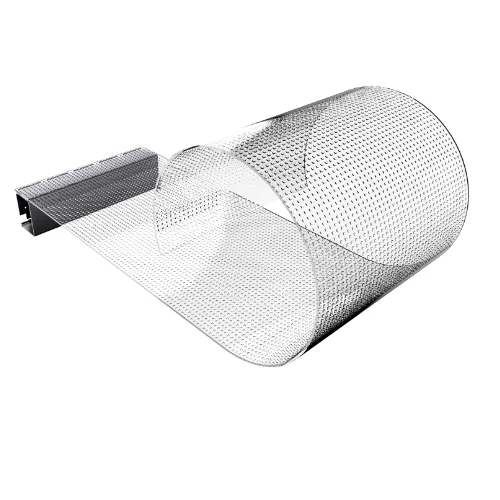
Thin and Transparent Film Screen Manufacturer Seeing LED Screen Gains Market Attention as Transparent Display Demand Surges
2026-03-05As global demand for transparent display solutions continues to accelerate, manufacturers specializing in thin LED film technology are capturing increased industry attention. Among the emerging innovators is Seeing LED screen, a manufacturer focused on developing high-transmittance digital film displays that combine visual performance with architectural integration.
-
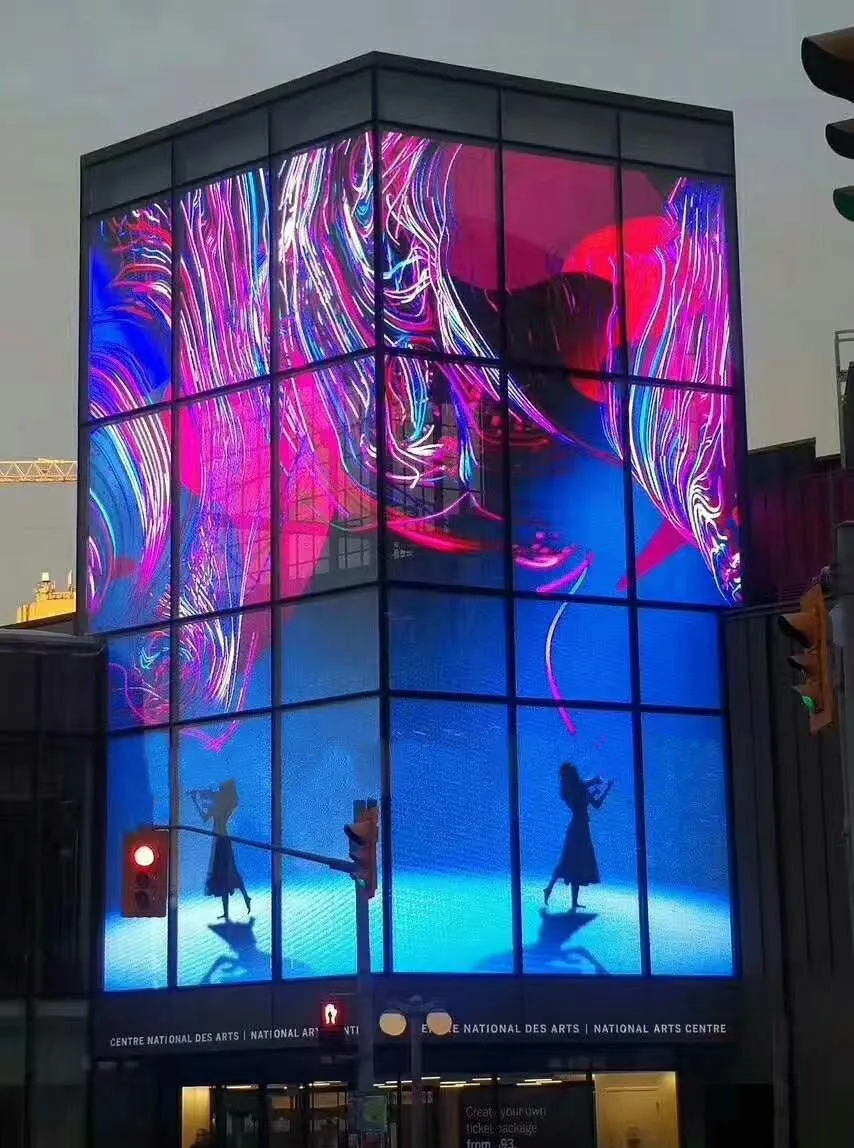
Indoor Transparent LED Display vs Outdoor Transparent LED Display — Understanding Key Differences as Demand Surges
2026-02-26With transparent LED screens emerging as a prominent trend in digital signage, analysts are observing rapid growth in both indoor and outdoor installation categories. Although the two display types share similar structural concepts—allowing light and visibility to pass through while presenting dynamic digital content—their performance requirements, engineering standards, and market applications differ significantly.
-
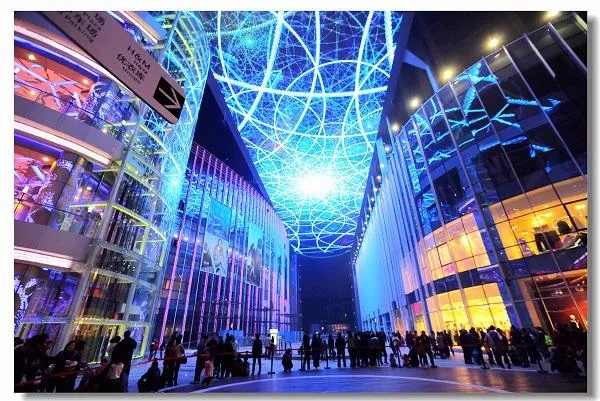
What Are the Main Benefits of Using LED Crystal Film Over Traditional Displays
2026-02-12As transparent display technology accelerates across the global retail, exhibition, and commercial design sectors, LED crystal film is emerging as one of the most innovative alternatives to traditional LED and LCD display systems. Unlike conventional panels that rely on rigid structures and opaque backlighting modules, LED crystal film integrates directly onto glass surfaces to deliver digital content while preserving transparency, natural light, and architectural visibility.
-
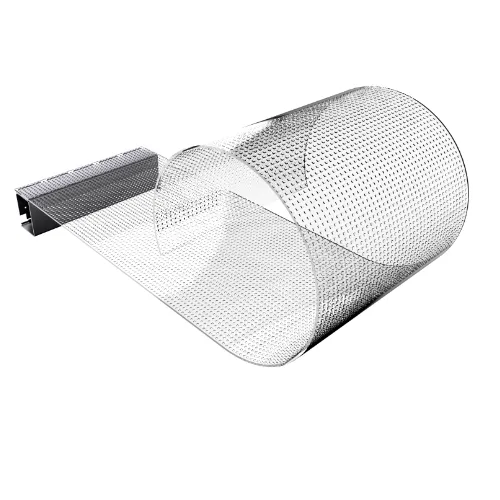
How to Install LED Crystal Film Screen on Glass Windows
2026-02-05As retail spaces, exhibition venues, transportation hubs, and commercial offices accelerate digital transformation, LED crystal film screens are emerging as a preferred solution for transparent display installations on glass surfaces. With advantages such as ultra-thin form factors, lightweight materials, and flexible application methods, these transparent LED films enable high-impact visuals without blocking interior visibility or natural light.