LED Crystal Film Screen Technology Expands Applications Across Retail, Architecture, and Exhibition Industries
The global display technology sector is witnessing a surge of innovation as transparent visual media becomes increasingly integrated into commercial architecture and digital signage environments. One of the most fast-growing products in this space is the LED Crystal Film Screen, a cutting-edge display solution designed to merge visual content with physical space without obstructing light or sightlines.
Industry analysts note that LED crystal film technology is reshaping how brands communicate in retail storefronts, showroom windows, transportation hubs, and immersive exhibition venues. Unlike traditional LED panels that rely on rigid modules and bulky support frames, the crystal film format enables seamless installation on glass surfaces, curved structures, and customized interior layouts.
Ultra-Light and Flexible Transparent Display Form Factors Lead Demand
Manufacturers have introduced several variants of LED film displays tailored to diverse usage scenarios. Among the most in-demand models is the Ultra-light transparent film screen, which features thin substrates and lightweight circuit configurations that allow rapid mounting on existing glass without structural modification. These characteristics have made it popular for temporary promotional installations and event staging where agility and visual impact are essential.
Another bestseller is the Flexible transparent film screen, engineered to conform to curved architectural elements and cylindrical glass sections. This flexibility encourages creative display designs in commercial buildings and museums, enabling content to appear as if floating in midair.
Meanwhile, the Thin and transparent film screen segment continues to gain traction among luxury retail brands that prioritize aesthetics. These ultra-slim formats preserve store visibility while delivering vivid advertising content, interactive branding visuals, and seasonal promotions.
UHD Transparent Display Screen Pushes Visual Clarity Forward
While early transparent LED solutions focused primarily on high brightness and lightweight characteristics, recent development efforts have improved resolution and pixel pitch. This has paved the way for the UHD transparent display screen, offering higher definition imagery suitable for closer viewing distances and premium applications such as automotive showrooms, corporate lobbies, and high-end exhibitions.
Industry experts highlight that UHD transparency not only enhances video and animation clarity but also increases legibility for fine typography and dynamic menu boards, further widening its suitability for informational and commercial communication.
Retail Digitization and Smart Architecture Fuel Market Adoption
The market momentum behind LED Crystal Film Screens aligns with broader trends in digital transformation. Retail operators continue shifting from static window posters to dynamic visual storytelling that captures pedestrian traffic and reinforces brand identity.
In architecture, transparent LED film displays are becoming a favored tool for smart building initiatives, offering real-time updates, artistic media integration, and contextual signage without compromising daylighting performance or facade aesthetics.
Smart city projects and mobility infrastructure are also emerging as new drivers, as transportation networks explore transparent signage applications for airports, subway stations, and bus terminals.
Outlook: Transparent LED Film Screens Poised for Continued Expansion
Looking ahead, analysts expect continued expansion of transparent display film technology as improvements in resolution, flexibility, and installation methods reduce adoption barriers. With strong demand for immersive visual media and space-efficient digital signage, the LED Crystal Film Screen is positioned to play a strategic role in next-generation retail, exhibition, and architectural design.
As competition intensifies across global markets, product differentiation is likely to focus on ultra-thin form factors, transparency rates, color rendition accuracy, and energy efficiency — reinforcing the importance of innovation in maintaining industry leadership.
Latest News
-
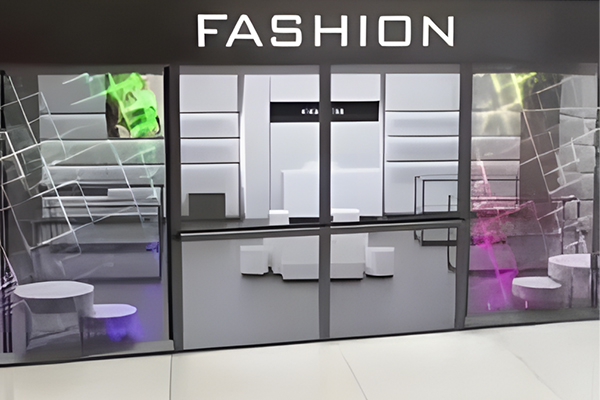
From Technology To Scenario - Selection, Installation And Long-Term Value Of Led Crystal Film Screens
2026-04-28LED crystal film screen selection core: transparency, thickness, brightness, flexibility, protection, adhesive quality.
-
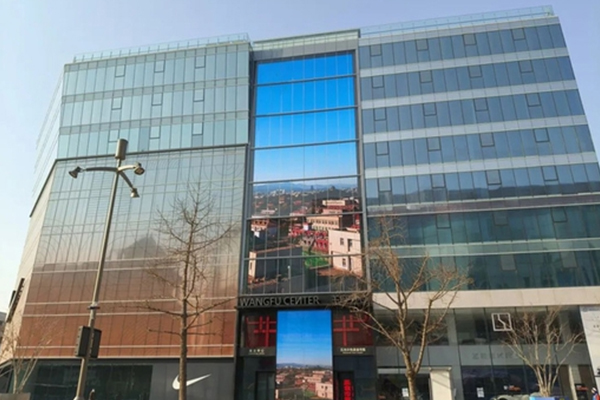
City Landmark Light and Shadow Show—Technical Aesthetics and People Flow Effect of LED Crystal Film Screen
2026-04-27Urban landmark competition now centers on light and digital art. LED crystal film turns building facades into large transparent digital canvases with naked-eye 3D and AR interaction, driving strong memory and sharing.
-
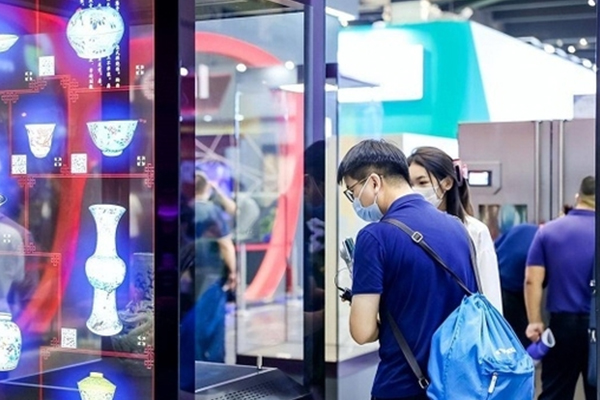
The Art of Invisible Display - LED Crystal Film Screen Installation and Appearance Quality Control
2026-04-24Invisible display defines crystal film screens: transparent when off, vivid when on. Success relies on >90% transparent substrate, fine circuits, premium glue, precision install.
-
Full Coverage Of Indoor And Outdoor Scenes - Led Crystal Film Screen Application Ecology And Future Trends
2026-04-22LED crystal film screens cover all scenarios: retail, advertising, exhibitions, architecture, smart home, automotive. Core strengths: transparent, thin, flexible, easy install, low power.